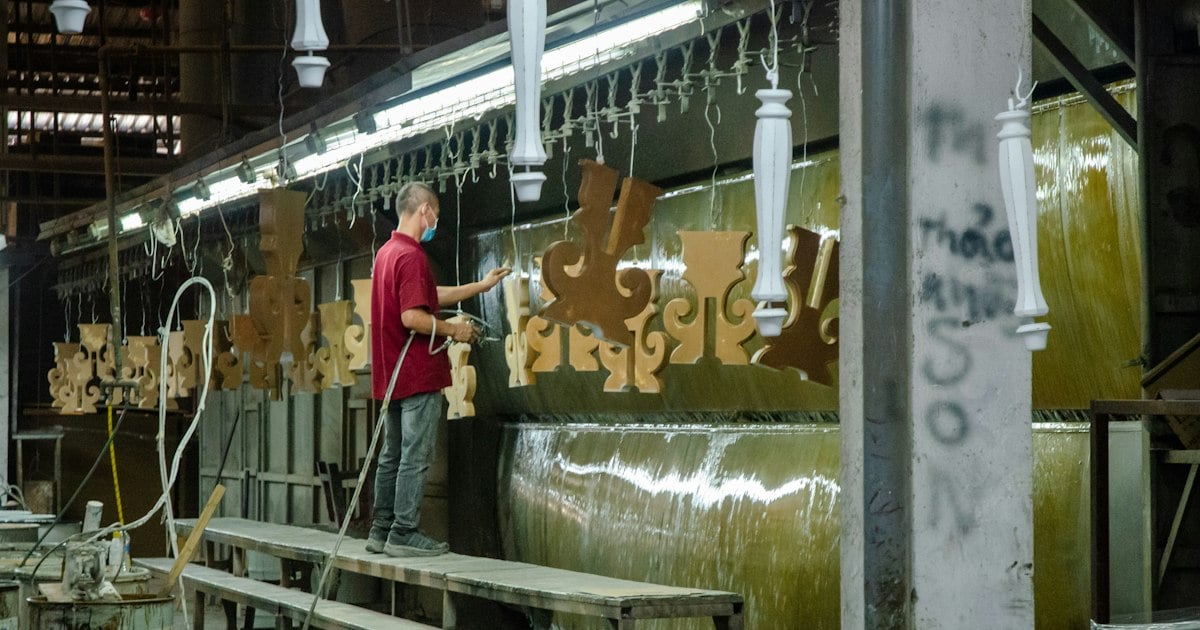
Powder coating and liquid paint in brief
Powder coating applies dry powder electrostatically and cures it in an oven, typically at 160 to 200 °C, building 50 to 100 µm per coat. It suits metal parts that fit the oven. Liquid paint, which dries at ambient or low temperature, suits large, assembled or heat-sensitive parts and field repair. Specify service environment, surface preparation, coating system, film thickness, colour, gloss and tests.
Syzygy Industrial Hub (SyzygyHub) connects manufacturing buyers with validated powder coating and industrial painting suppliers in Canada. The buyer uploads drawings and a request for quotation. Y Brain, the platform's artificial intelligence, routes the request to suppliers whose processes, certifications and location match.
Powder coating and liquid paint: key technical facts
Typical process values. Actual capacity varies by shop and must be confirmed with the supplier.
- Powder coating typically cures at a part temperature of 160 to 200 °C (320 to 390 °F) held for 10 to 20 minutes, so every component of the part must tolerate that heat.
- A powder coat is typically 50 to 100 µm (2 to 4 mils) thick and a coat of liquid paint 25 to 75 µm (1 to 3 mils), measured as dry film thickness.
- A 75 µm film on each wall narrows a hole by 0.15 mm (0.006 in), which is why threads, bores and mating faces are masked.
- Rule of thumb: epoxy coatings chalk in sunlight, so outdoor parts need a polyester, super-durable polyester or polyurethane topcoat.
- ASTM B117 defines how a salt spray cabinet is operated (5% sodium chloride fog at 35 °C) but sets neither the exposure hours nor the pass criteria, which the buyer must specify.
Source: Powder Coating vs Liquid Paint: How to Choose and What to Specify, a guide from the SyzygyHub library, with the standards cited.
How to get powder coating and industrial painting quotes
Submit your request for quotation
Upload your drawings and files, then state the material, quantities, tolerances and required date.
Receive targeted quotes
Y Brain routes your request to validated powder coating and industrial painting suppliers whose processes, certifications and location match.
Choose your supplier
Compare the quotes received on the same scope and start with the supplier that suits you.
What to include in your request for quotation
A complete request lets suppliers price the same scope, without assumptions.
Parts: drawings, material, dimensions, weight, quantities, and prior operations (casting, galvanizing, welding, laser cutting with oxygen or nitrogen).
Service environment: indoor or outdoor, sunlight, chemicals, de-icing salt, or the ISO 12944-2 category.
Coating system: process, chemistry, number of coats and pretreatment.
Dry film thickness: minimum and maximum in µm (mils).
Colour and finish: RAL number or approved panel, gloss at 60° with tolerance, texture, visible surfaces.
Masking: threads, bores, mating faces and grounding points to keep bare, and acceptable hook marks.
Tests: adhesion rating (ASTM D3359), impact energy (ASTM D2794), salt spray hours (ASTM B117) with pass criteria, and frequency.
Documents and delivery: certificate of conformance, thickness readings, lot numbers, packaging, touch-up product, schedule.
Frequently asked questions about powder coating
How do I get powder coating and industrial painting quotes with SyzygyHub?
You upload your drawings and your request for quotation once. Y Brain, the platform's artificial intelligence, routes the request to validated powder coating and industrial painting suppliers whose processes, certifications and location match. Access to drawings is covered by a non-disclosure agreement. You then compare the quotes received and choose your supplier.
Is powder coating better than liquid paint?
Neither is better in every case. Powder coating gives a thick, tough film in one coat with negligible solvent emissions, which suits steel and aluminum parts that fit the curing oven. Liquid paint is the better choice for very large or assembled items, heat-sensitive components, thin films, small lots in custom colours and field repair. With the same surface preparation, both can meet demanding corrosion requirements.
How thick is powder coating compared with liquid paint?
A single powder coat is typically 50 to 100 µm (2 to 4 mils) thick, and standard powders are hard to apply evenly below about 50 µm. One coat of liquid paint is typically 25 to 75 µm (1 to 3 mils) dry, so thicker protection is built up with a primer and one or more topcoats. Actual values depend on the product and the shop, so state a minimum and a maximum thickness on the drawing.
Can powder coating be used outdoors?
Yes, provided the powder is a polyester, a super-durable polyester or a polyurethane. Epoxy and epoxy-polyester hybrid powders chalk and fade in sunlight: they are meant for indoor parts, and epoxy also serves as a primer. For outdoor steel in a corrosive atmosphere, the result depends mostly on surface preparation and on a primer under the topcoat, such as a zinc-rich primer, an epoxy primer or an e-coat.
How many hours of salt spray should I specify?
There is no universal number, because ASTM B117 only describes how the salt spray cabinet is operated. The exposure hours and the pass criteria, for example the maximum corrosion creep from a scribe, come from your own specification or your customer's. Salt spray hours do not convert into years of service, so use them to compare coating systems tested on the same substrate and pretreatment.
Other processes
Read the full guide · How the platform works · Version française
Page reviewed on October 7, 2026.